








©Warkworth Congress 1971, images by Julian Feary and Peter JoyceSource: Kerry Francis, If Memory Serves, p. 41 ↗
02 / PROGRAMME30.11—05.12.2026

Programme

Six days of talks, tours and workshops

A conference with local and international speakers, tours led by local guides and practitioners, and a two-day festival of talks, workshops, music, shared meals and exchange of knowledge.

02 / 01Tukutuku Day, Tours Day and the festival

Contributors

The first contributors to Weaving 2026. Across the week they give talks, lead tours and run workshops. More are announced through the year, so follow @weaving_2026 on Instagram.

07

Contributors announced so far:

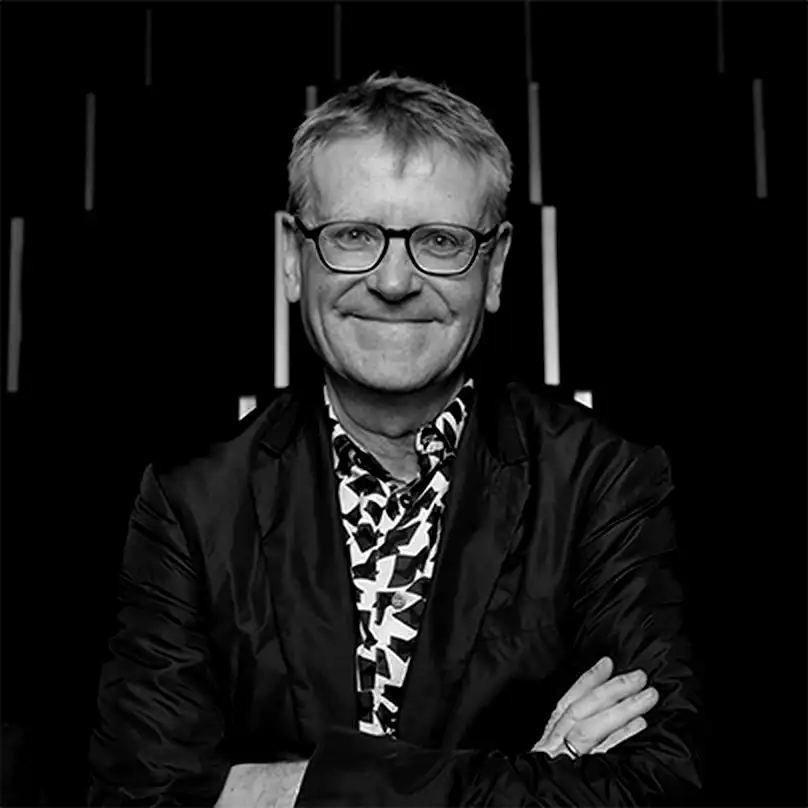
Mark Wigley
01

Mark Wigley

Columbia University, New York

Mark is Professor of Architecture and Dean Emeritus of the Graduate School of Architecture, Planning and Preservation (GSAPP) at Columbia University. He is a historian, theorist, and critic who explores the intersection of architecture, art, philosophy, culture, and technology.

Julie Stout
02

Julie Stout

Mitchell Stout Dodd, Tāmaki Makaurau / Auckland

Julie is an Auckland-based architect and urbanist, with her own practice Mitchell Stout Dodd Architects. Active in the city’s urban issues, Julie is chair of Urban Auckland and actively involved in advocacy for a better city in Tāmaki Makaurau. In 2021 she was awarded the Te Kāhui Whaihunga/ NZIA Gold Medal for her achievements in architecture and activism.

Beatriz Colomina
03

Beatriz Colomina

Princeton University, New York

Beatriz is the Howard Crosby Butler Professor of Architecture, the Director of the Ph.D. program in the School of Architecture and the Founding Director of the interdisciplinary Media and Modernity Program at Princeton University.

Jade Kake
04

Jade Kake

Matakohe Architecture + Urbanism, Te Tai Tokerau

Jade (Ngāpuhi, Te Whakatōhea, Te Arawa, Holland) is an architect and academic. She is the founder of Matakohe Architecture and Urbanism, a design studio in Whangārei, and senior lecturer at Huri te Ao School of Future Environments at AUT.

Field Studio
05

Field Studio

Architecture + urbanism, Ōtautahi / Christchurch

Field Studio of Architecture and Urbanism is a creative and dynamic design practice based in Ōtautahi Christchurch. Field have a unique approach to collaborative design and have significant experience working on projects that have social, cultural, ecological and values-based purposes.

Bill McKay
06

Bill McKay

University of Auckland, Tāmaki Makaurau / Auckland

Bill is an eminent authority on architecture discourse in Tāmaki Makaurau, writing books, delivering interviews, and stewarding students for many years.

Mel Dodd
07

Mel Dodd

Monash University, Naarm / Melbourne

Professor Mel Dodd is the Dean of Monash Art, Design and Architecture and an accomplished architect, urban practitioner and academic leader. Her work focuses on the social, cultural and political dimensions of urban transformation, with a strong commitment to collaborative placemaking and community-centred design.

02 / 02Six days / one moving programme

Schedule + key dates

Six days shaped by five themes, ending on the pitch that decides where congress goes next.

  1. 0MON 30 NOV

    Registration

    Intro and registration evening.

  2. 1TUE 01 DEC

    Weavingplace

    Mihi whakatau, urban, architecture and landscape tours, followed by an evening event.

  3. 2WED 02 DEC

    Weavingknowledge

    Full conference day with local and international speakers. Open to students, practitioners and professionals. CPD available.

  4. 3THU 03 DEC

    Weavingspace

    Festival day one: creative workshops, plenary talks and making. Festival dinner and overnight stay.

  5. 4FRI 04 DEC

    Weavingconnections

    Festival day two: workshops, plenary talks and making. Evening event and overnight stay.

  6. 5SAT 05 DEC

    Weavingfutures

    Closing and pitch day — find out where congress will be next.

02 / 03Place / space / knowledge / connections / futures

The five themes

Weaving is a cross-cultural phenomenon, a practice shared by all peoples. Weaving 2026 recognises and responds to this ancient communal practice and positions it as a framework for a collective and connected architecture discipline. The congress expands weaving through five themes: place, space, connections, knowledge; and a final theme directed to participants, the binding thread and leading to questions beyond the congress: futures.

05

The five threads of Weaving 2026.

©Auckland Congress 1963 — ASAC archiveSource: Congress archive, p. 5 ↗
01

Place

Whenua / a sea of islands

Architecture is a discipline that mediates the relationship between people and their environment. In Aotearoa, whenua (land) is of great cultural significance, as is our place in a ‘sea of islands’. Architecture in Aotearoa finds meaning when it engages with varying, interconnected Oceanic ideas.

©Warkworth Congress 1971, images by Julian Feary and Peter JoyceSource: Kerry Francis, If Memory Serves, p. 42 ↗
02

Space

Wā / vā / āina

Differing cultural connotations of space, like wā, vā and āina, offer alternate modes of engaging with built and unbuilt space. Space is always political and is shaped by forces and conditions beyond buildings. These notions expand an understanding of space and the self to one that is relational, not only existing in the present but also across times.

©Lae Congress 1975, Papua New Guinea — ASAC archiveSource: Congress archive, p. 16 ↗
03

Knowledge

Whakapapa / exchange

This congress is a forum for knowledge exchange grounded in place and space. Weaving 2026 will explore what it means to practice architecture of Aotearoa, with the knowledges of this place gathered up through time, and informed by land, by ocean, and through whakapapa — the interconnectivity of people, places and things.

©Lae Congress 1975, Papua New Guinea — ASAC archiveSource: Congress archive, p. 16 ↗
04

Connections

Whakawhanaungatanga

The congress hopes to establish connections that bind practitioners and practice to specific place, space and knowledge. This process of whakawhanaungatanga — relating well to others — forms the foundation for our shared understanding of architecture and, by extension, this gathering.

©Warkworth Congress 1971, images by Julian Feary and Peter JoyceSource: Kerry Francis, If Memory Serves, p. 49 ↗
05

Futures

The binding thread

Weaving place, space, knowledge and connections creates a collective imagination, one that looks backwards and forwards through time to offer a speculation on our many possible futures. Through this process of gathering, binding and sharing, we seek to learn how, in this place, in this discipline, we might weave something together.

PURCHASE TICKETS↗